

Design 101: Curiosity First. Everything Else Earns Its Place.
Design is everywhere. It shapes the way we move through a room, interact with a website, hold a cup of coffee, or read a sentence. At its best, design feels invisible, effortless, intuitive, and almost inevitable. But behind every seamless experience is a series of intentional decisions grounded in a deeper philosophy.
Welcome to Design 101: a starting point for understanding how design works and why it matters.
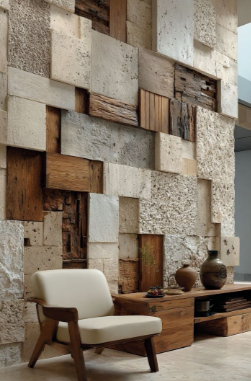
What Is Design, Really?
At its core, design is problem-solving. It’s the practice of creating solutions that meet human practical, emotional, and aesthetic needs. Whether I’m designing a chair, a living room, or a restaurant lobby, I'm answering a set of questions:
Who is this for?
What problem does it solve?
How should it feel to use?
Good design communicates well, clearly, and resonates deeply.
The Three Pillars of Thoughtful Design
Let’s ground our approach in three guiding principles: curiosity, functionality, and beauty.
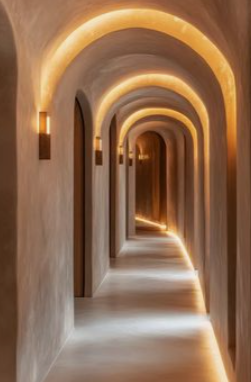
1. Curiosity: The Starting Point
Curiosity is where all meaningful design begins. It pushes you to ask better questions and gives you permission to explore judgement-free. Why does this problem exist? How are people currently solving it? What’s missing? Curiosity resists assumptions. It invites exploration, experimentation, and even failure. When you stay curious, you uncover insights that lead to more human-centered and innovative solutions.
Design tip: Spend more time understanding the problem than rushing toward a solution.
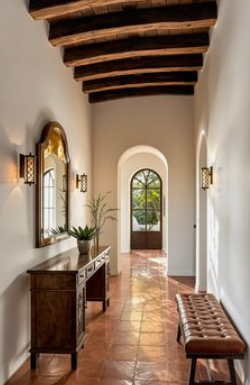
2. Functionality: The Backbone
If curiosity opens the door, functionality builds the structure. A design must work clearly, reliably, and intuitively. Functionality is about usability and purpose. It ensures that your design actually solves the problem it set out to address. Ask yourself 1) Is this easy to use? 2)Does it reduce friction or create it? 3)Does it serve its intended purpose efficiently? Functionality is essential. Without it, even the most beautiful design fails.
Design tip: If users need instructions, your design may need refinement.
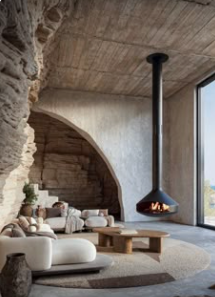
3. Beauty: The Emotional Layer
Beauty is what makes people care. The emotional resonance of design draws someone in, creates delight, or communicates personality. Beauty is meaning expressed visually, physically, or experientially. Good aesthetics 1) build trust, 2) create memorable experiences, 3) elevate functionality into something enjoyable. But beauty should never come at the expense of usability. The best designs integrate both seamlessly.
Design tip: Aim for clarity first, then refine for elegance.
Design is about making things work beautifully for people. When you approach design with curiosity, ground it in functionality, and elevate it with beauty, you create experiences that are not only effective but meaningful. That’s the essence of Design 101. And it’s only the beginning.